Modern Outdoor Living Starts with Hardscaping
Revolutionize Your Outdoor Setting: Professional Landscaping Guidance for an Exceptional Home Garden
Transforming an outdoor space into a beautiful residential landscape involves careful planning and deliberate implementation. By evaluating the unique characteristics of a yard, individuals can establish definitive landscaping goals. Choosing vegetation appropriate for the local climate is essential. Additionally, incorporating practical hardscape features enhances both beauty and usability. However, the process doesn't end there. Learning how to preserve vibrancy and sustainability can enhance any garden to the next level. What strategies will result in lasting success?
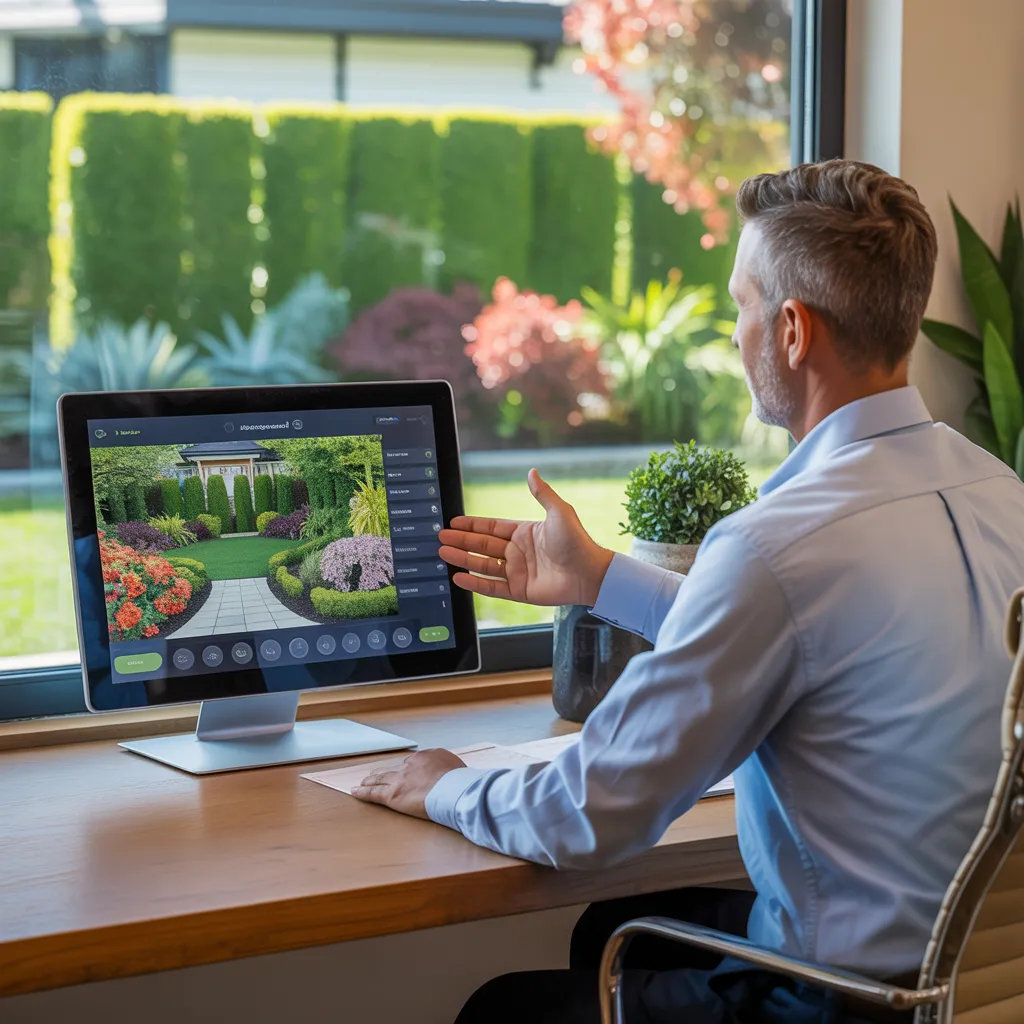
Analyze Your Yard to Set Your Landscape Design Goals
Before starting any garden project, it is important for property owners to thoroughly assess their exterior space. This first assessment enables them to comprehend the specific features of their yard, such as sun exposure, soil composition, and existing vegetation. Identifying these components aids in deciding what types of design elements can be effectively integrated into the space.
Homeowners should record dimensions and document any barriers including vegetation, barriers, or walkways that may influence the design. Furthermore, recognizing individual tastes and living requirements—including entertainment areas, gardening, or leisure—can guide the landscaping goals. By clearly defining these objectives, homeowners create a solid base for a unified and practical outdoor environment. This thoughtful assessment ultimately leads to a greater and satisfying landscaping project, guaranteeing the outdoor space enhances not just the property's visual appeal but furthermore meets the practical needs of its residents.
Determine the Perfect Plant Selection for Your Local Environment
Determining the right plants for a particular region is critical for creating a thriving outdoor space. Grasping local weather patterns, such as temperature ranges, precipitation, and moisture levels, supports property owners choose vegetation that will thrive. Native plants typically adjust best, requiring minimal upkeep and irrigation. For instance, water-efficient plants are ideal for arid regions, whereas water-preferring plants thrive in moisture-rich environments.
Gardeners should additionally consider seasonal changes; selecting vegetation that offers continuous appeal enhances the garden. Early bloomers, warm-season vegetation, and colorful autumn leaves can produce a dynamic visual experience. Additionally, speaking with regional nurseries or extension services can offer helpful information into sturdy vegetation adapted for specific conditions.
Eventually, a well-planned plant selection not only improves visual appeal but also promotes native fauna and advances environmental sustainability, which makes it a smart decision for every outdoor space transformation.
Transform Your Garden With Functional Hardscaping Components
Functional hardscaping elements prove essential in creating exterior layouts and increasing their functionality. By incorporating seating areas and well-designed pathways, homeowners can create inviting environments that encourage rest and activity. Additionally, borders can help delineate different zones within the garden, providing organization and visual interest.
Create Your Garden Space
Creating a strategically designed outdoor space can transform a garden into a welcoming retreat. One proven approach to achieve this is through functional hardscaping elements, which establish structure and layout. Walkways made from stone or masonry guide visitors while creating visual appeal. Support walls can establish tiered levels, improving the landscape's appearance and avoiding erosion. Barriers or screens can delineate borders, ensuring seclusion and a sense of enclosure. Incorporating raised garden beds not only establishes growing zones but also improves accessibility. These elements operate in harmony to create distinct zones that improve both visual appeal and practicality. Ultimately, a well-defined outdoor space creates a peaceful setting where homeowners can relax and enjoy nature.
Incorporate Sitting Areas
Incorporating sitting zones into an exterior environment greatly boosts its usability and visual interest. By adding practical hardscape features, homeowners can establish welcoming areas for rest, gathering, or appreciating the outdoors. Choices range from seating, outdoor furniture, or suspended seats, each adding to the landscape's visual charm and comfort. Carefully positioning chairs near prominent areas like plantings or decorative pools, motivates visitors to participate with their outdoor environment. Additionally, using materials like stone or wood can complement the garden's design, ensuring a cohesive look. Shade structures, such as covered structures or shades, ensure relaxation during warmer months, making these areas usable year-round. Ultimately, carefully planned sitting zones reimagine a basic yard into a welcoming retreat for family and friends.
Add Walkways And Borders
Walkways and borders serve as essential features in exterior planning, directing visitors through the garden while strengthening its structural value. These create movement and structure, enabling the definition of multiple zones and vegetation types. Stone, brick, or gravel selections can construct sturdy passages, and borders made with shrubs or decorative enclosures enhance beauty. Exploration is encouraged by pathways, which focus attention on elements like flower beds or water features. Properly maintained borders reduce invasive vegetation and ground erosion, supporting garden longevity. Adding pathways and borders boosts usability and increases aesthetic beauty in your landscape, rendering environments more appealing and enjoyable.
Create Flow With Pathways and Seating Areas
A well-designed outdoor space often features a harmonious flow achieved through thoughtfully placed pathways and seating areas. Pathways guide visitors through the garden, creating a clear sense of direction while enhancing the overall aesthetic. Using materials like stone, gravel, or wood can contribute to the pathway's visual appeal and guarantee durability.
Sitting spaces create pause areas, inviting guests to sit and value the surroundings. Positioning seating strategically beside focal features, like a waterfall or a flower display, promotes involvement with the garden. Your seating preference—benches, chairs, or even lounges—influences the vibe, whether casual or sophisticated.
Blending pathways and seating zones creates an appealing atmosphere, improving practicality and satisfaction. Used together, they professional guide form a fluid movement across multiple regions of the garden, inspiring wandering and peace, finally converting any outdoor location into a serene hideaway.
Enrich Your Outdoor Space With Seasonal Shades and Character
To enhance the visual appeal of a garden, careful selection of seasonal plants is essential. Layering different textures can add depth and interest, while strategically placed focal points can draw the eye and create a cohesive design. These elements together guarantee a vibrant and dynamic outdoor space throughout the year.
Select Seasonal Plants with Care
Picking season-specific plants carefully can reshape your garden into a colorful and textured paradise. By opting for plants with varied blooming seasons, gardeners can ensure a perpetual floral display. Spring flowers, summer color plants, autumn perennials, and winter evergreens each contribute unique hues and forms to the landscape. It is essential to take into account area-specific climate and soil characteristics, as well as the plants' growth habits. Local native plants often thrive better and require less maintenance, enhancing biodiversity. Additionally, combining plants with varying heights and bloom times can produce a striking visual impact. Ultimately, deliberate plant selection fosters a garden that evolves with the seasons, providing beautiful scenes every season.
Establish Multiple Textures For Depth
Establishing depth in a garden requires combining textures that accent and improve seasonal shades. By integrating diverse plant species with different leaf patterns, heights, and color schemes, one can create a vibrant landscape design. For instance, the use of broad-leaved plants alongside fine-textured grasses can create contrast and intrigue. Additionally, integrating bark, stones, and other natural materials brings in tactile elements that enrich the overall experience. Seasonal blooms should be carefully arranged to offer color bursts across seasons, ensuring that each layer remains visually interesting. This thoughtful arrangement not only moves your gaze throughout the space but also fosters an immersive atmosphere where every detail contributes to the garden's beauty and harmony.
Position Focal Points Strategically
Deliberately placing visual focal elements can greatly improve a garden's visual charm and seasonal energy. These focal points act as visual magnets that focus attention and establish harmony. Gardeners can employ features like art pieces, specimen trees, or brilliant plantings to establish visual excitement. Seasonal color can be infused by means of the careful selection of plants that bloom at different times ensuring that the garden remains dynamic throughout the year. Textural contrasts also prove essential; pairing polished walkways with coarse textures or thick vegetation adds depth. By strategically positioning these components, a gardener can create an inviting atmosphere that encourages exploration and appreciation, turning a garden into an enticing escape.
Implement Sustainable Strategies to Create a Vibrant Garden
Embracing green approaches is important for cultivating a vibrant garden that flourishes in balance with the surroundings. Horticulturists are advised to leverage naturally-occurring vegetation, which need reduced liquid and care while strengthening community animals. Applying sustainable cultivation practices, such as compost-based methods and chemical-free pest management, can greatly minimize pesticide use, creating a more robust natural system
Moisture-saving approaches, including targeted watering systems and water collection systems, boost green practices by improving resource use. Applying mulch conserves soil water plus suppresses weeds, reducing the demand for synthetic herbicides. Furthermore, encouraging biological diversity by incorporating varied vegetation encourages strength against insects as well as plant diseases.
Soil health is important; strategies such as crop rotation and protective cropping maintain soil nutrients excluding the need for synthetic nutrients. By utilizing these green practices, horticulturists can build a vibrant garden that fosters vegetation and the natural world, creating a greater horticultural experience.
Address Frequent Challenges to Keep Continuous Garden Aesthetics
A well-maintained garden can encounter various problems across seasons, altering its total appearance and vigor. Standard difficulties involve pest outbreaks, nutrient deficiencies, along with inadequate water supply. Detecting pests in advance is vital; growing enthusiasts should routinely check vegetation for damage indicators plus manage pest problems applying chemical-free pesticides alternatively bringing in beneficial insects.
Nutrient shortages commonly show as yellow foliage or stunted growth. Doing soil assessments can allow establish particular necessities, enabling for focused fertilization Nutrient shortages typically show as leaf yellowing and reduced growth. Doing soil examinations can help pin down individual requirements, making possible targeted nutrient application restoring harmony. Also, securing proper irrigation is essential; excessive watering can result in rotted roots, whereas insufficient watering stresses plants.
Seasonal changes also call for changes to care. During winter, applying mulch protects root areas against cold, on the other hand summer could call for more water as well as partial shade for fragile plants. By handling these standard difficulties promptly
Should I Handle Landscape Projects on My Own or Hire a Professional?
One can certainly manage outdoor landscaping on your own, leveraging digital tools and creativity. However, employing a specialist provides proficiency, efficiency, and potentially superior results, especially for complex designs or bigger undertakings that require professional expertise.
Which Equipment Are Necessary for Home Landscaping?
Important equipment for residential landscaping contain a garden rake, shovel, garden spade, pruning shears, garden fork, and a hose or garden watering can. These implements help productively caring for soil, plants, and overall garden maintenance, ensuring professional landscaping.
What Steps Should I Follow to Keep My Landscape Throughout the Growing Season?
To keep a yard across the seasons, one should consistently cut back plants, spread mulch for thermal protection, check soil moisture, and implement seasonal planting strategies. Furthermore, pest management and soil fertilization are required for vibrant, healthy growth.